The Arkansas River Valley region is home to a fascinating duo of canids that blur the line between dog and cat: the red fox and the gray fox. While both are members of the canine family, they possess unique traits and occupy different niches in the Colorado landscape.
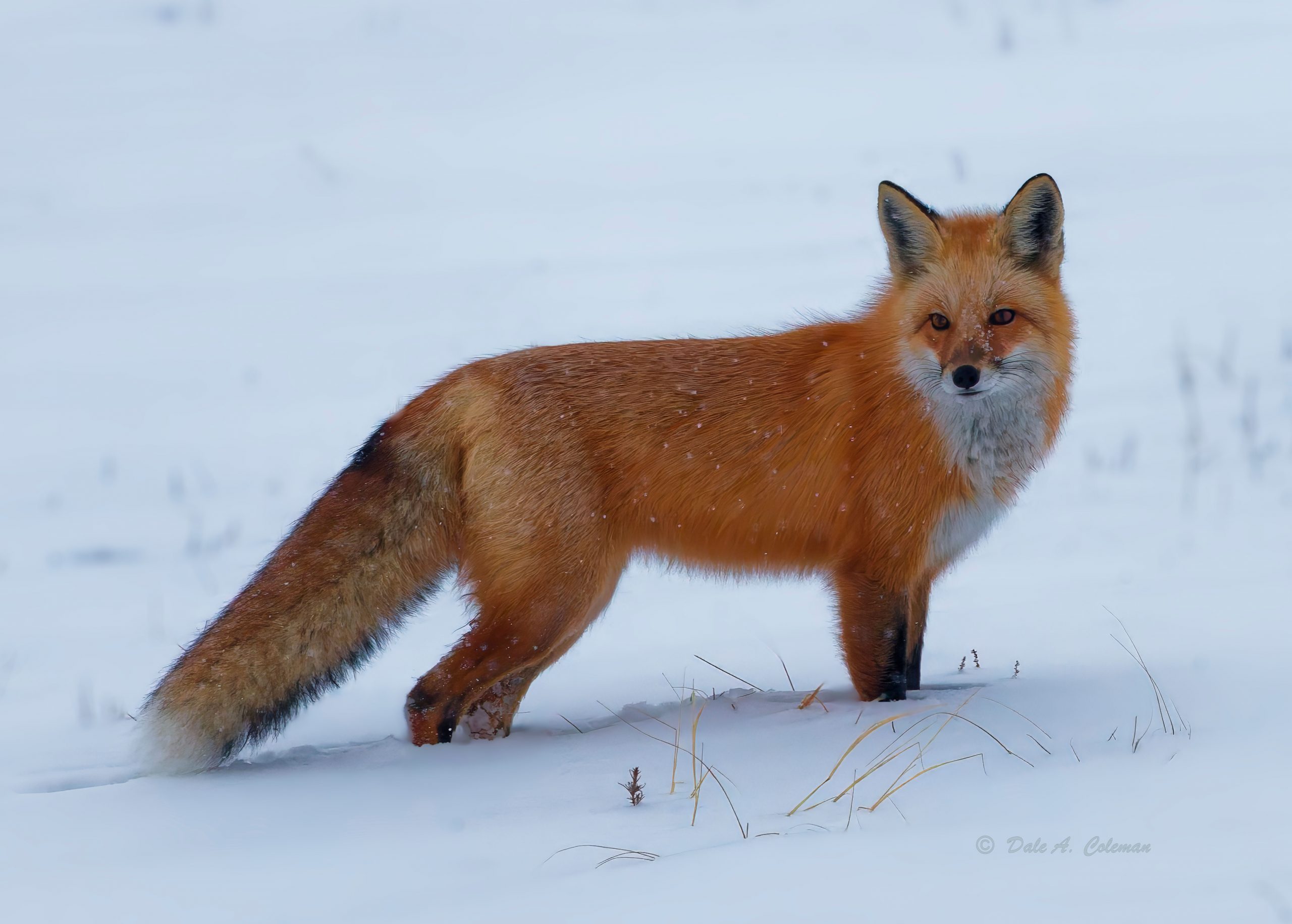
Colorado Central is blessed with many readers who not only love nature but are also great photographers. This past week, local Dale Coleman sent us an amazing shot of a fox, prompting us to share some information about these wonderful creatures we have collected in various articles over the years. The Red Fox in this photo was spotted near Grape Creek in Westcliffe.
The Local Residents: Red vs. Gray
Depending on where you are hiking, you are likely to run into one of these two distinct species:
- Red Fox: These adaptable hunters prefer moister environments, typically found near the Arkansas River or along the riparian corridors of creeks like Grape and Texas Creeks.
- Gray Fox: If you are trekking through drier, brushy canyons or the foothills, you are in gray fox territory.
- Swift Fox: While they look similar to the gray fox, these inhabitants of the short-grass prairie stay strictly on the eastern plains of the state.
Identification Tips
Feature Red Fox Gray Fox Coloration Most commonly reddish with a white belly. Grayish-brown with a dark streak along the spine. The “Clinch” Always look for a white-tipped tail, regardless of fur color. Features a black midline and a black-tipped tail. Behavior Known to dash for the hills when disturbed. More skittish and nocturnal; likely to slink into cover or even climb trees to escape.
Canine or Feline?
Though firmly rooted in the canine family, foxes share an uncanny number of similarities with cats:
- Retractable Claws: Their front claws retract slightly, often leaving footprints without the claw marks typical of dogs.
- Vertical Pupils: Unlike other canines with round pupils, foxes have elliptical pupils like cats.
- Hunting Style: They stalk prey with synchronized movements and often pounce from above rather than engaging in a long-distance chase.
- Dietary Needs: In captivity, foxes require higher levels of taurine—an amino acid essential to cats—and are often supplemented with cat food.
The “All-Natural” Exterminator
Foxes are opportunistic eaters that provide a vital service to local residents. Their diet is incredibly varied:
- Primary Prey: Small rodents like voles, mice, rats, and chipmunks.
- Variety: They also consume insects, birds, cottontails, berries, nuts, and even spilled birdseed.
- Scent: You may smell a fox before you see it; they produce a musk in their urine that resembles a mild skunk scent.
Historically, foxes have been both revered and resented—appearing in Aesop’s Fables as far back as 600 B.C. and facing challenges from the fur industry and bounty programs. Today, as these pressures have eased, they remain the Valley’s silent, “all-natural rodent control service”.
Note, do not feed foxes, as it creates a skin condition, as seen in Foxes inside the towns that eat cat food given out by well-meaning locals for cats.
-Jordan Hedberg